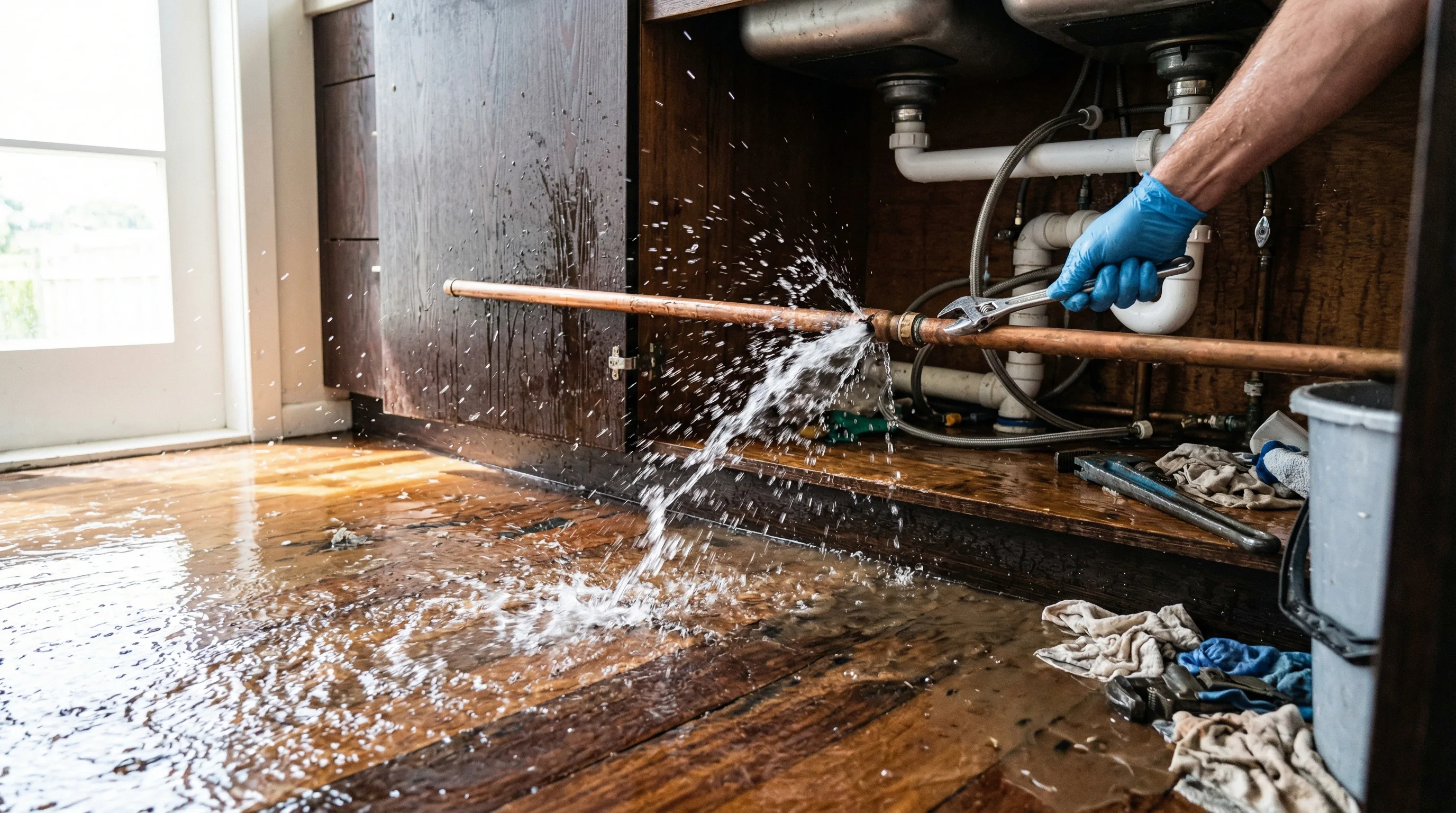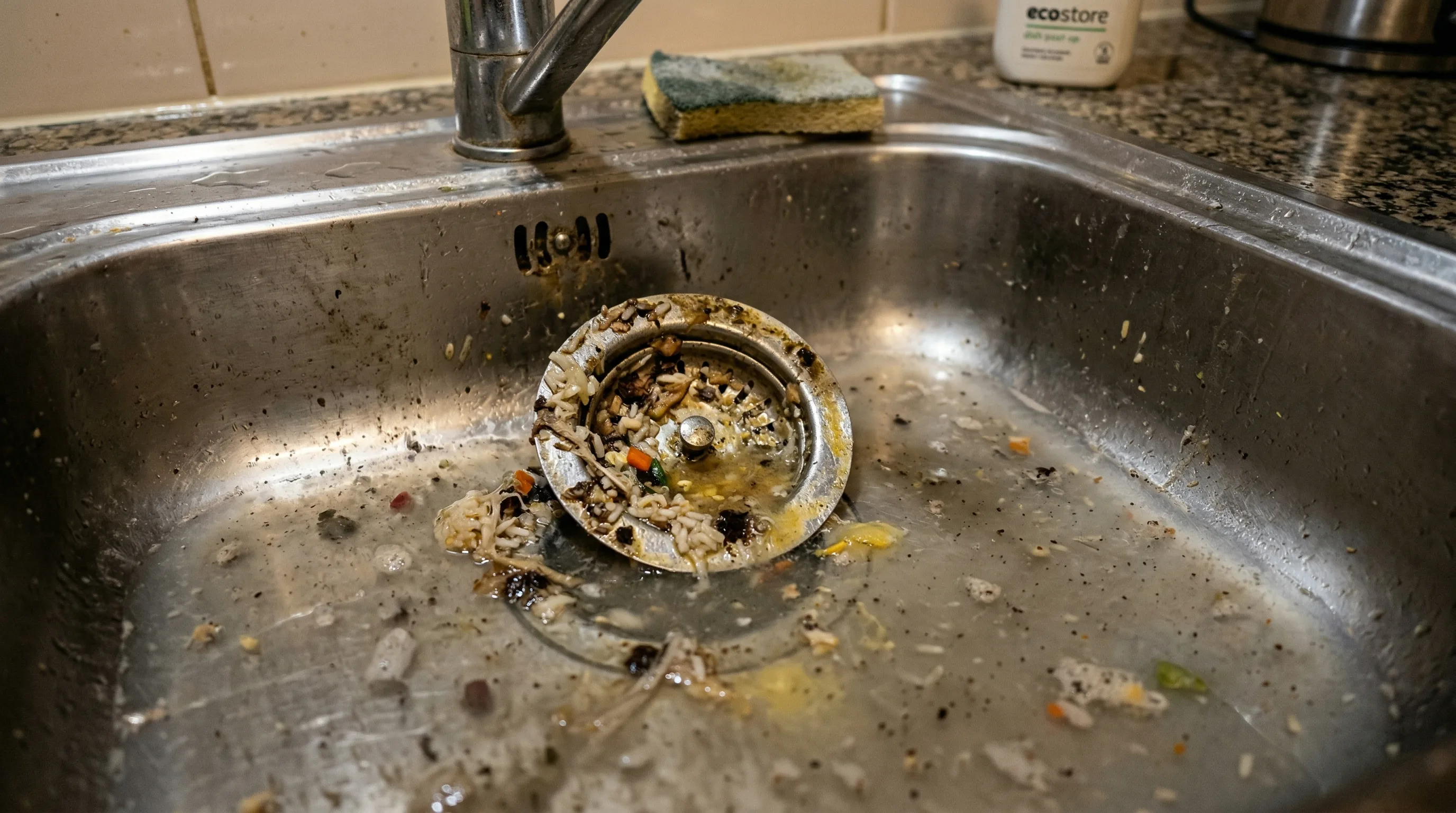

A blocked drain is more than an inconvenience — left untreated, it can lead to sewage backups, foul odours, property damage, and even health hazards. Blocked drains are one of the most common plumbing call-outs in Auckland, and Kurt at KA Plumbing sees them every week across the city. The good news is that most blocked drains are preventable once you understand what causes them.
As a certified plumber and expert drain layer, Kurt holds dual qualifications that give him a complete understanding of both your indoor plumbing and your underground drainage systems. This article explains the most common causes of blocked drains in Auckland homes, the warning signs to watch for, and practical steps you can take to keep your drains flowing freely.
The Most Common Causes of Blocked Drains in Auckland
1. Grease and Fat Buildup
This is the number one cause of blocked kitchen drains in Auckland homes. Cooking oils, butter, meat fats, and food scraps get washed down the sink and gradually build up on the inside of your drain pipes. Grease cools as it travels through the pipes, solidifying and creating a sticky coating that catches other debris. Over time, this narrows the pipe until water can barely pass through — and eventually it blocks completely.
The golden rule: never pour cooking oil or fat down your kitchen sink. Let it cool, scrape it into a container, and dispose of it in your rubbish bin.
2. Tree Root Intrusion
Auckland's lush vegetation is beautiful — but tree roots are one of the most damaging causes of blocked drains. Roots are naturally drawn to the moisture in drain pipes, and they'll find their way into even the smallest crack or joint. Once inside, they grow rapidly, filling the pipe with a dense mass of root fibres that traps debris and blocks the flow. This is especially common in older Auckland suburbs like Takapuna, Devonport, Birkenhead, and Glenfield where established trees line the streets and properties have aging clay or concrete drainage pipes.
3. Hair and Soap Scum
Bathroom drains — showers, baths, and basins — are prone to blocking from accumulated hair combined with soap residue. Hair doesn't break down easily, and when it combines with soap scum, it forms dense clumps that lodge in pipe bends and trap points. Over months, these clumps grow until the drain slows to a trickle and eventually stops altogether.
4. Foreign Objects
Items that should never go down a drain frequently cause blockages: wet wipes (even those labelled 'flushable'), cotton buds, sanitary products, dental floss, children's toys, food scraps, and excessive toilet paper. These items don't break down in water and can lodge in pipe bends, creating immediate blockages or combining with grease and other debris to cause problems over time.
5. Aging and Damaged Pipes
Many Auckland homes — particularly those built before the 1980s — have clay or concrete drainage pipes that have deteriorated over decades. These old pipes crack, collapse, develop misaligned joints, and lose their smooth internal surface. The rough, damaged interior catches debris that would flow freely through modern PVC pipes, leading to recurring blockages. If you're experiencing frequent drain issues in an older Auckland home, the pipes themselves may be the root cause.
Warning Signs Your Drain Is Blocking
Blocked drains rarely happen without warning. Watch for these early signs so you can act before a full blockage occurs:
- Slow draining — water takes longer than usual to drain from sinks, showers, or baths. This is the earliest and most common sign.
- Gurgling sounds — air trapped by a partial blockage causes gurgling or bubbling noises when water drains, especially from other fixtures in the same drainage line.
- Unpleasant odours — a foul smell from your drains, especially in the kitchen or bathroom, indicates food or organic matter decomposing in a partial blockage.
- Water backing up — water appearing in one fixture when you use another (e.g., shower water backing up in the toilet) suggests a blockage in the shared drain line.
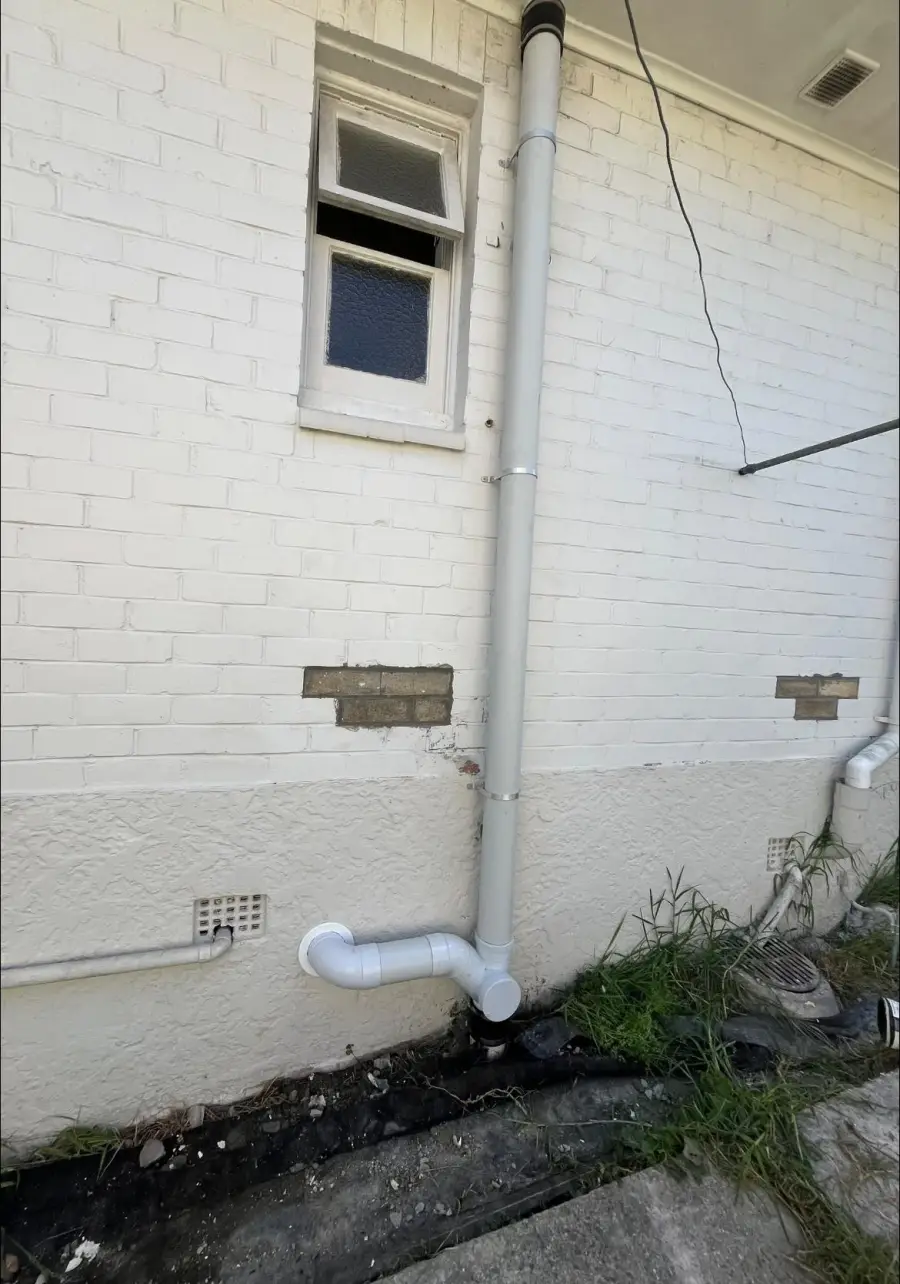
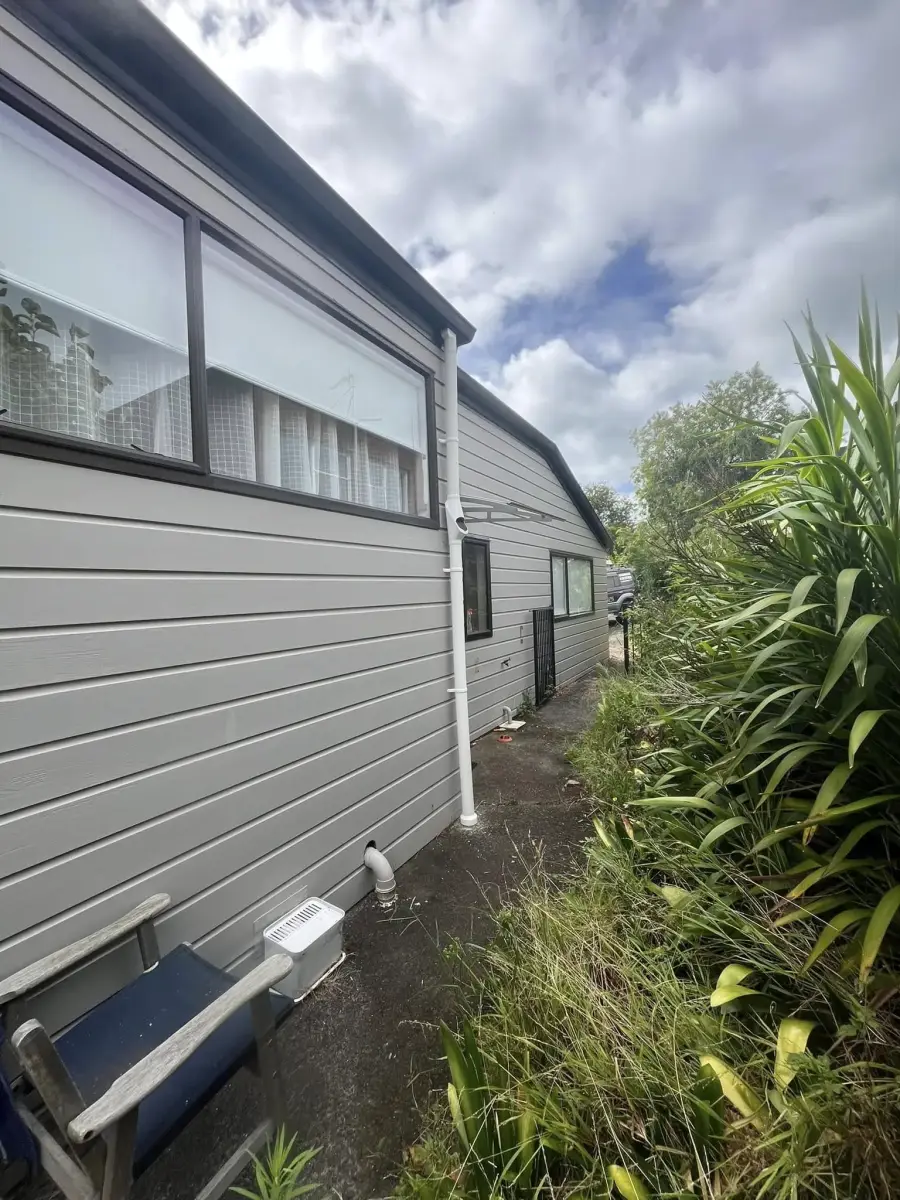
- Overflowing gully trap — the gully trap outside your house (the small grated drain near your exterior wall) overflowing with wastewater is a clear sign of a drain blockage downstream.
How to Prevent Blocked Drains
Most blocked drains are entirely preventable with a few simple habits. Kurt recommends these practical prevention tips for Auckland homeowners:
- Install drain strainers — inexpensive mesh strainers over your kitchen, shower, and bath drains catch hair, food scraps, and debris before they enter your pipes. Clean them regularly.
- Never pour grease down the sink — let cooking oils and fats cool in a container and dispose of them in your rubbish. Wipe greasy pans with paper towel before washing.
- Flush drains with hot water — once a week, pour a kettle of boiling water down your kitchen sink to help dissolve minor grease buildup before it accumulates.
- Use a biological drain cleaner monthly — enzymatic or bacterial drain cleaners (not caustic chemical ones) break down organic buildup safely without damaging your pipes.
- Only flush the three Ps — pee, poo, and (toilet) paper. Everything else goes in the bin, including wet wipes.
- Manage trees near drains — if you have large trees near your drainage lines, consider having Kurt check the line every few years for early signs of root intrusion before it becomes a blockage.
- Maintain your gully trap — keep the gully trap outside your house clear of leaves and debris so it can overflow safely if there's an issue downstream.
When to Call a Professional
While minor slow drains can sometimes be resolved with a plunger or drain cleaner, there are clear situations where you need a certified plumber and expert drain layer:
- The blockage keeps recurring despite DIY attempts
- Multiple drains in your home are slow or blocked simultaneously
- You can smell sewage inside or outside your home
- Your gully trap is overflowing
- Water is backing up from one fixture when you use another
- You suspect tree root intrusion
How KA Plumbing Clears Blocked Drains
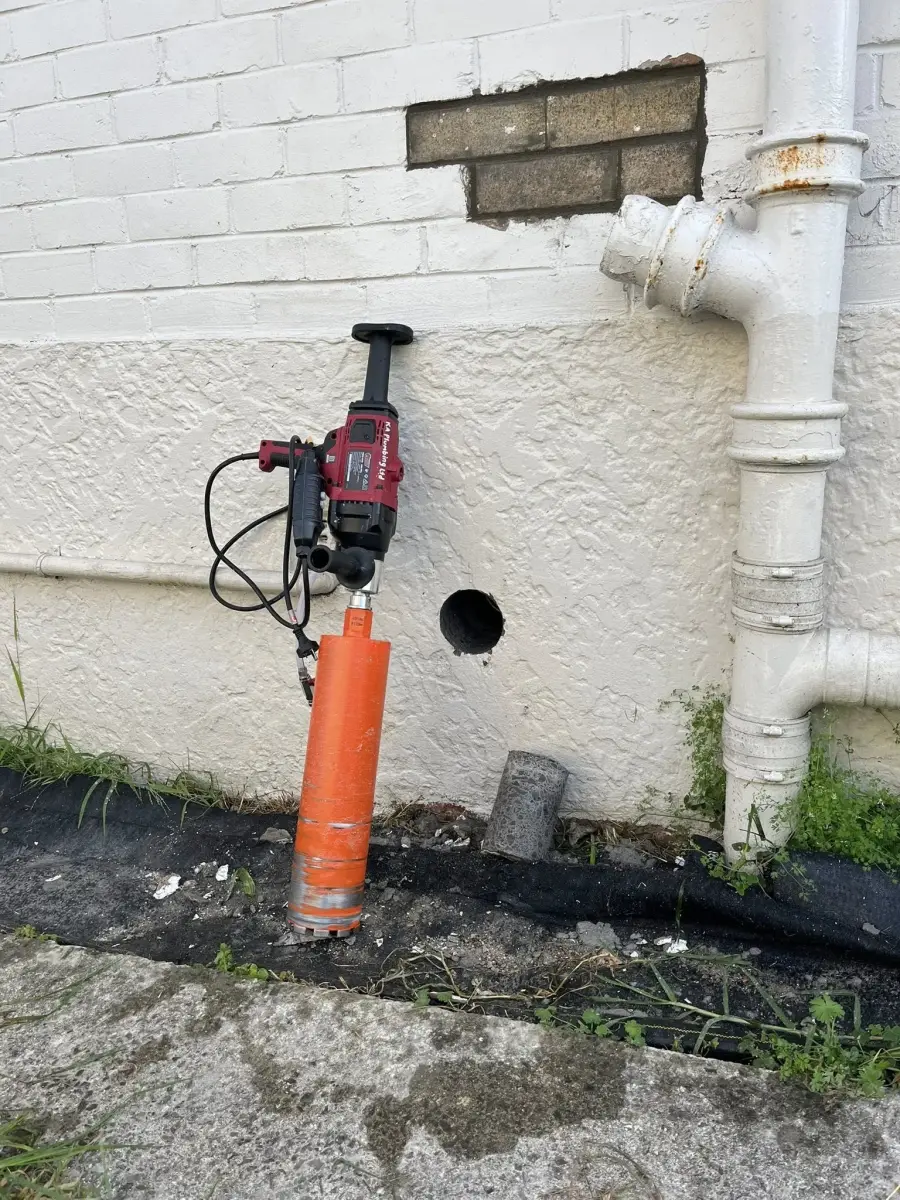
Kurt diagnoses blocked drains properly before touching anything — working out what's blocked, where, and why, rather than guessing. For grease, debris, and root blockages, the drain is cleared and the cause explained. For damaged or collapsed pipes, Kurt's expert drain layer qualification means he can repair or replace the affected section to prevent recurring issues.
Every drain clearance comes with an explanation of what caused the blockage and practical advice to prevent it happening again. Kurt doesn't just fix the symptom — he addresses the cause.
Dealing with a blocked drain? Call Kurt on 021 277 9151 for fast, professional drain clearing across Auckland. Certified plumber and expert drain layer — one call sorts it.
Need Help With This Issue?
Call Kurt for fast, reliable service and free assessments across Auckland.
Related service: Blocked drains →