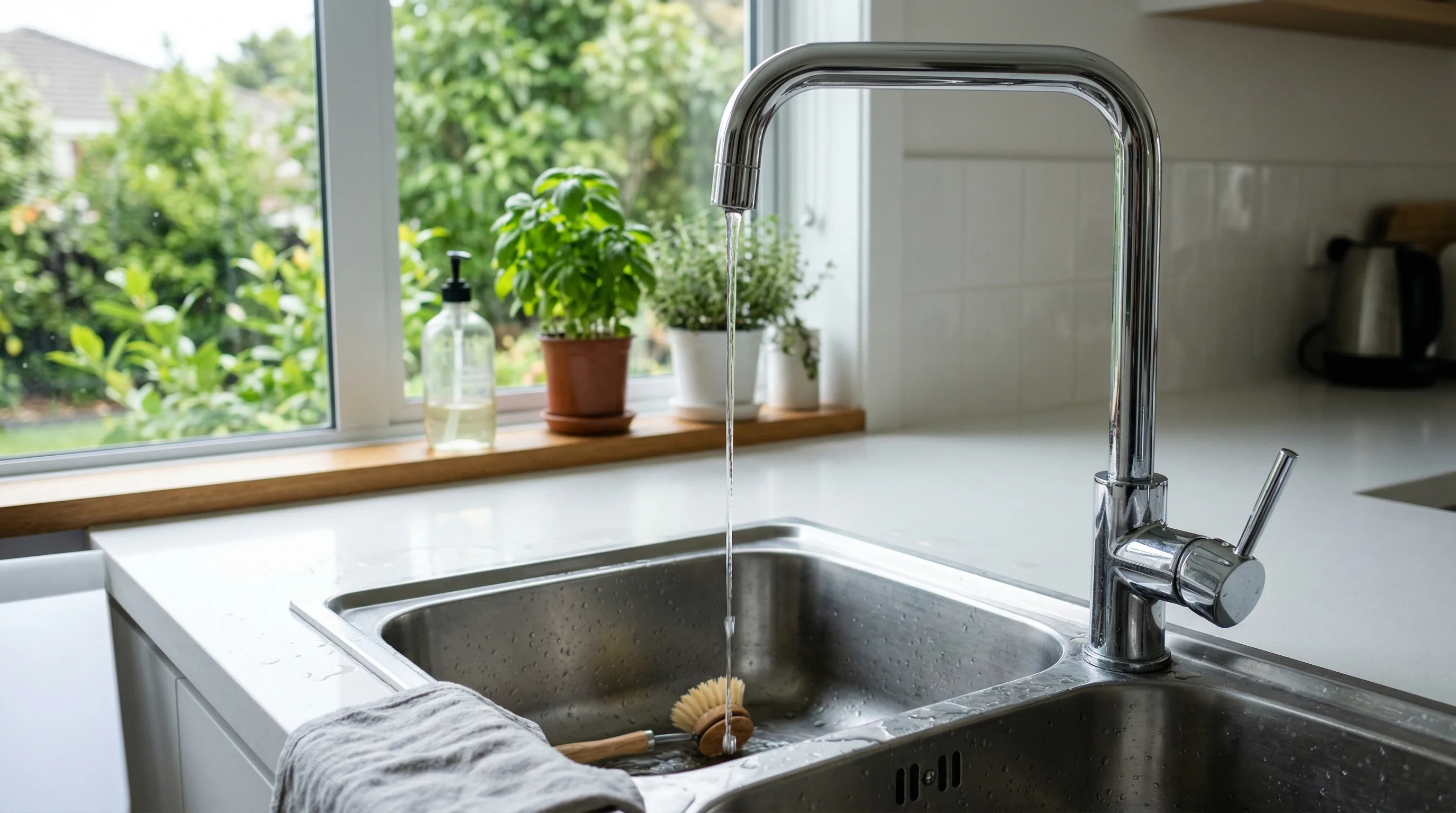

There's nothing more frustrating than stepping into the shower and getting a weak, unsatisfying trickle instead of a proper stream. Low water pressure affects everything — your shower experience, how long it takes to fill the washing machine or dishwasher, how well your garden irrigation works, and even how effectively your toilet flushes. It's one of the most common complaints Kurt hears from Auckland homeowners, and the causes are often straightforward to diagnose and fix.
Auckland's unique combination of hilly terrain, diverse housing stock (from 1920s villas to brand-new builds), and a large-scale water supply network means there are several possible causes for low water pressure. This guide covers the most common reasons Auckland homes experience pressure problems and what Kurt at KA Plumbing can do to resolve them.
Common Causes of Low Water Pressure in Auckland
1. Old Galvanised Pipes
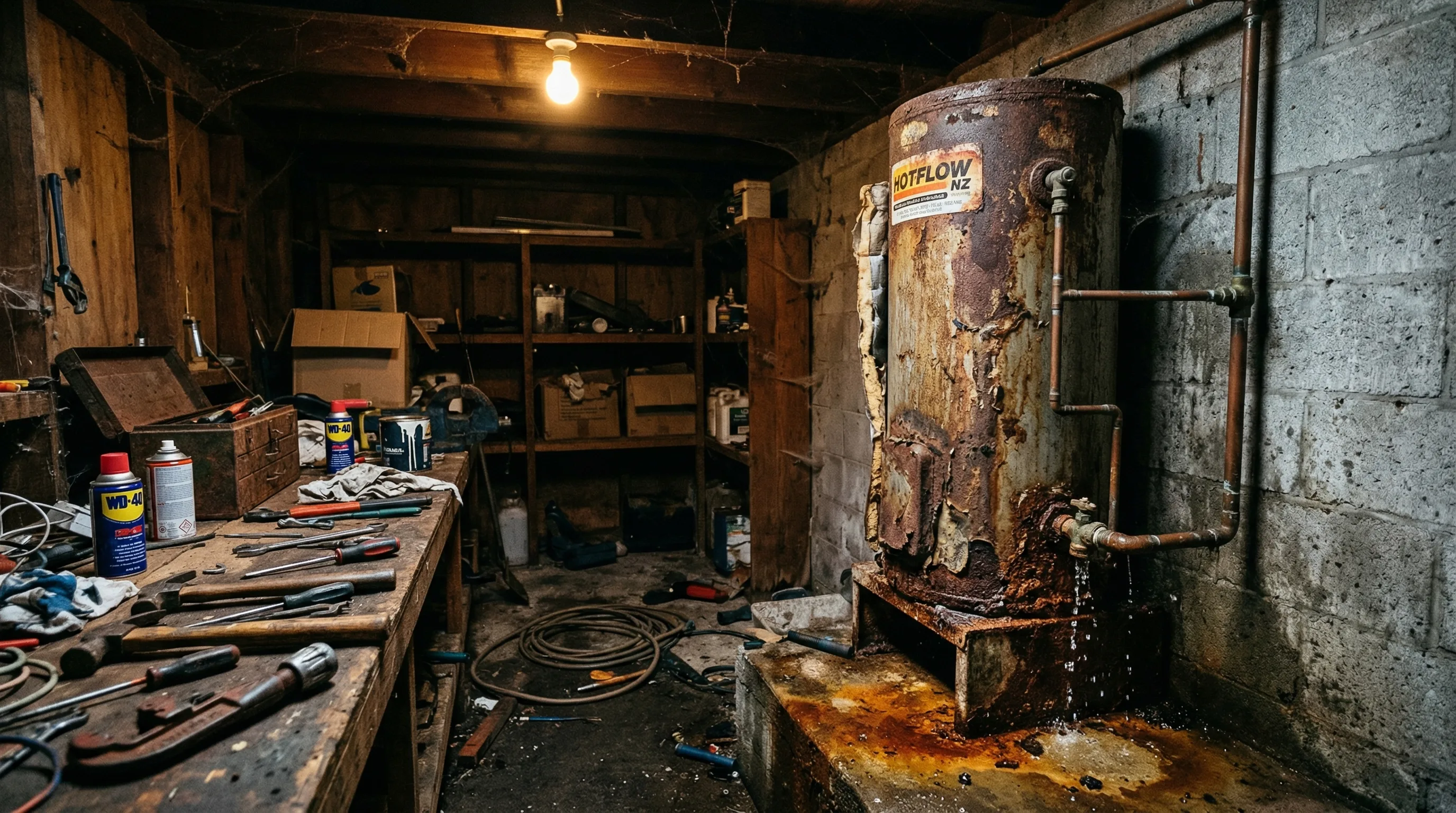
This is the single most common cause of low water pressure in Auckland's older homes. Houses built before the 1980s typically have galvanised steel water pipes that corrode from the inside over decades. As the internal diameter of the pipe narrows with rust and mineral buildup, water flow is restricted and pressure drops. By the time a galvanised pipe is 40-50 years old, the internal bore can be reduced to a fraction of its original size. This is particularly prevalent in North Shore suburbs like Takapuna, Devonport, Birkenhead, and Glenfield, as well as established central suburbs like Mt Eden, Ponsonby, and Grey Lynn.
Quick test: if your cold water pressure is significantly worse than your neighbours' — and they have similar-age homes — your galvanised pipes are likely the cause. Kurt can confirm with a pressure test in minutes.
2. Faulty or Missing Pressure-Reducing Valve (PRV)
Auckland's hilly terrain means council water pressure varies significantly across the city. Properties at the bottom of hills or close to water reservoirs often receive very high pressure, while those at the top of hills may receive lower pressure. A pressure-reducing valve (PRV) is installed on many Auckland properties to bring high council pressure down to a safe level for your plumbing system. If your PRV is faulty — stuck, partially closed, or has failed — it can restrict flow and dramatically reduce your water pressure. Conversely, if you're on a low-pressure council supply, you may benefit from a pressure pump to boost flow.
3. Council Water Supply Issues
Sometimes low water pressure isn't caused by your home's plumbing at all — it's a supply issue from Watercare, Auckland's water provider. Planned maintenance, pipe repairs, high seasonal demand, or issues with the local water main can all reduce the pressure reaching your property. Auckland's growth has also placed increasing demand on the water network, and some areas experience pressure drops during peak usage times (early morning and evening).
Before calling a plumber, it's worth checking whether the issue is on your side or Watercare's. Ask your neighbours if they're experiencing the same problem. If everyone on your street has low pressure, it's likely a council supply issue. If it's just your property, the problem is within your plumbing system.
4. Partially Closed Toby Valve
Your toby valve — the main shutoff valve at your property boundary — controls the water flow into your home. If it's not fully open, it restricts the flow and reduces pressure throughout your house. This can happen after plumbing work (where the toby was closed and not fully reopened), after Watercare maintenance on the street main, or if the valve mechanism has deteriorated. It's a simple check that Kurt performs as part of any water pressure assessment.
5. Leaks in Your Plumbing System
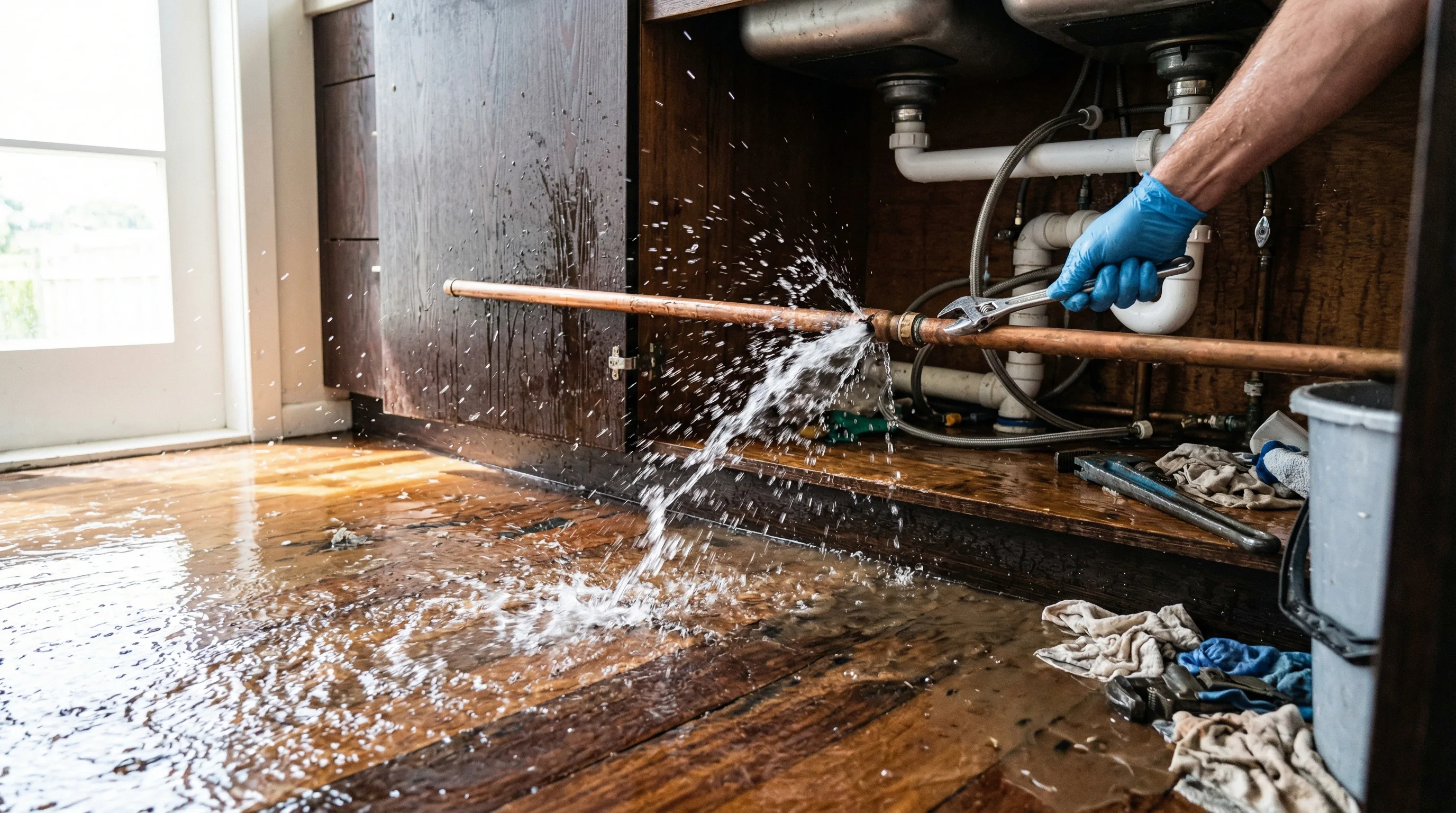
A hidden leak — whether in an underground supply pipe, within a wall cavity, or under your floor — diverts water away from your taps and fixtures, reducing the pressure at the outlets you actually use. Signs of a hidden leak include unexplained increases in your water bill, damp patches on walls or floors, the sound of running water when all taps are off, and your water meter spinning even when nothing is being used. Auckland's clay soils and ground movement make underground pipe leaks relatively common.
6. Shared Water Supply
Some Auckland properties — particularly older homes that have been subdivided, or properties on shared driveways — share a water supply line with one or more neighbouring properties. When multiple households draw water from the same supply pipe simultaneously, the pressure drops for everyone. This is common in some North Shore and central Auckland subdivisions.
7. Low-Pressure Hot Water System
If your low pressure is only on the hot water side, the issue is likely your hot water system rather than your water supply. Many older Auckland homes have low-pressure (gravity-fed) hot water cylinders that deliver water at a much lower pressure than your mains cold supply. This is a system design issue rather than a fault, and the solution is usually upgrading to a mains-pressure cylinder.
How to Check Your Water Pressure
Before calling a plumber, you can do some basic checks to help diagnose the issue:
- Check if it's hot, cold, or both — if only the hot water is weak, the issue is likely your hot water system, not your supply.
- Test multiple taps — if only one tap has low pressure, the issue is localised (a blocked aerator or partially closed isolation valve). If every tap is affected, the issue is systemic.
- Ask your neighbours — if they have the same problem, it's likely a Watercare supply issue. If it's just your property, the problem is on your side.
- Check your toby — find your toby valve at your property boundary and ensure it's fully open (turned counter-clockwise as far as it goes).
- Check your water meter — if the meter is spinning when all taps are off, you have a leak somewhere in your system.
How Kurt Fixes Low Water Pressure
Kurt starts every water pressure job with a thorough assessment — testing pressure at the toby, at your kitchen tap, and at your hot water outlet to pinpoint exactly where the pressure is being lost. Based on the diagnosis, solutions may include:
- PRV adjustment or replacement — if your pressure-reducing valve is faulty or set too low, Kurt can adjust or replace it to restore proper pressure.
- Pipe replacement — for homes with corroded galvanised pipes, replacing them with modern copper or PEX pipework restores full flow and eliminates the root cause. Kurt often does this in stages to manage costs.
- Leak detection and repair — using pressure testing and acoustic detection, Kurt can locate hidden leaks and repair them to restore your system's pressure.
- Hot water system upgrade — upgrading from a low-pressure to a mains-pressure hot water system dramatically improves hot water flow throughout your home.
- Pressure pump installation — for properties with genuinely low council supply, a pressure pump can boost the flow to a comfortable level.
Tired of weak showers? Call Kurt on 021 277 9151 for a water pressure assessment. He'll diagnose the cause and give you clear options to fix it — with upfront pricing and no hidden fees.
Need Help With This Issue?
Call Kurt for fast, reliable service and free assessments across Auckland.
Related service: Plumbing repair →